Every Holy Week, the small island province of Marinduque is transformed. Roman centurions in carved wooden masks and brilliantly painted armor march through the streets of Boac, Gasan, Mogpog, and Santa Cruz. They do not speak. They sometimes chase children. They are searching for one man — a Roman soldier named Longinus — and the entire week builds to the moment they find him.
This is the Moriones Festival, and it is one of the most distinctive religious traditions in Southeast Asia. If you’ve never seen it in person, 2026 is a remarkable year to plan a trip — the celebration runs the full week from Palm Sunday on March 29 through Easter Sunday on April 5. Here is everything you need to know to make the journey.
What is the Moriones Festival?
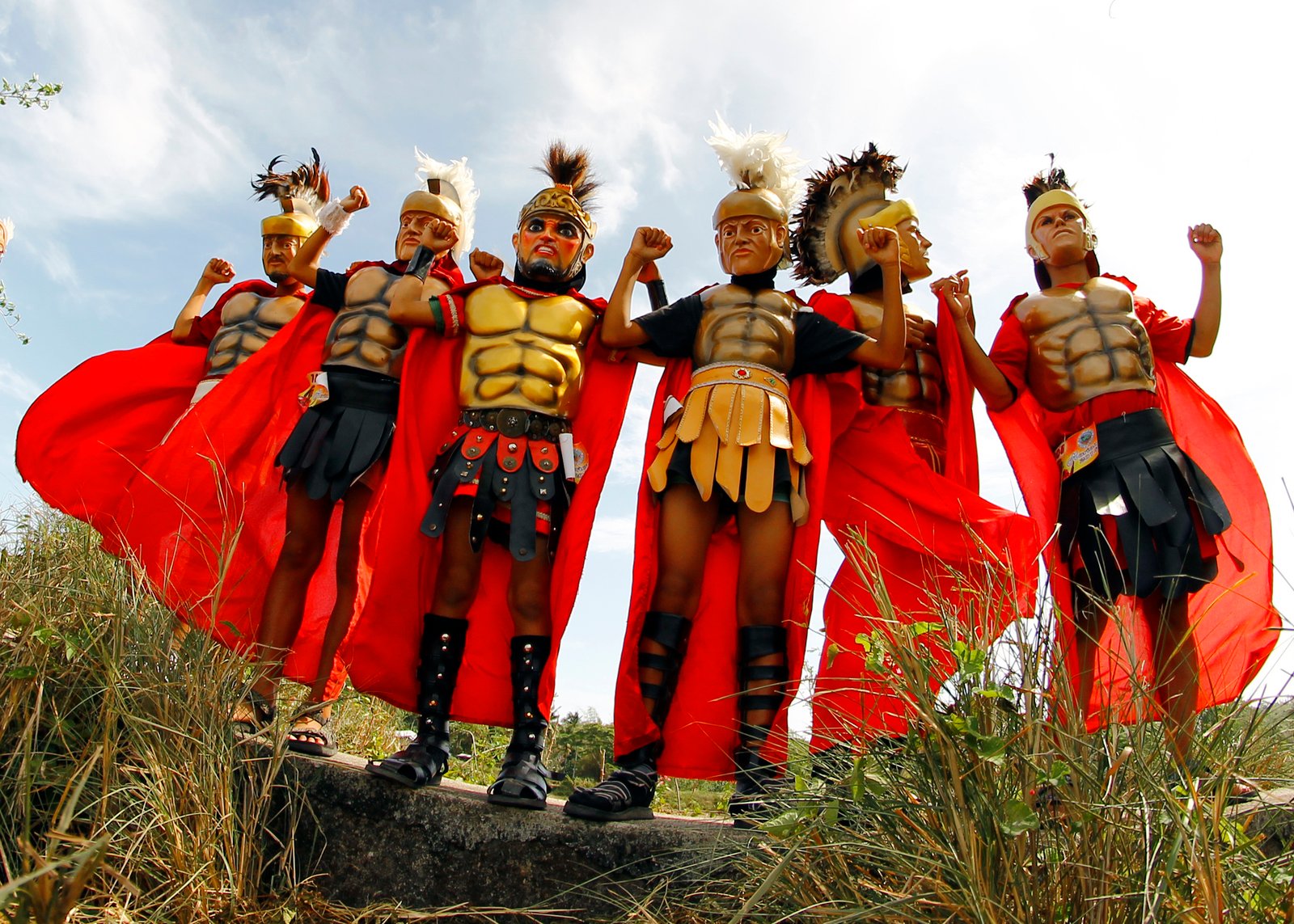
The Moriones Festival — known locally as Moryonan — is a religious folk-pageant rooted in a vow. The figures called ‘Morions’ are not actors. They are penitents, ordinary residents fulfilling a Panata, or sacred promise, often made in gratitude for a healing, a safe return, or a prayer answered. Wearing the mask and the costume is itself the act of devotion.
The pageant tells the story of Longinus, the Roman centurion who, according to tradition, pierced the side of Christ on the cross. When blood and water fell into his eye, his blindness was cured. Longinus converted, declared his faith publicly, and was hunted down by his fellow soldiers. Across seven days, the Morions roam Marinduque’s towns reenacting the search.
A Brief History: Faith, Performance, Penance
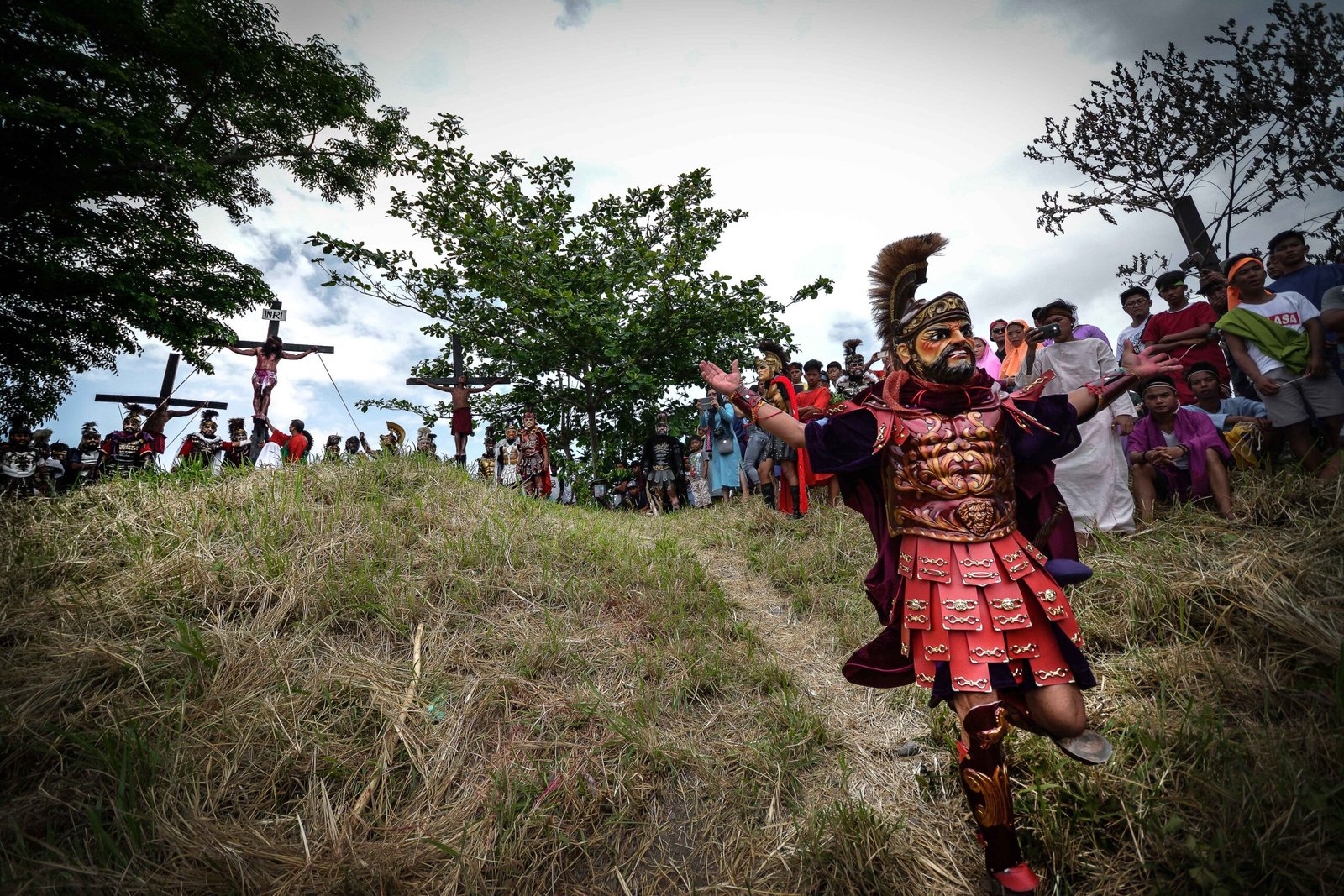
The Moriones tradition is widely believed to have been introduced in 1807 by a Mogpog priest, Father Dionisio Santiago, who used the dramatic costuming as a way to teach the Passion narrative to a largely illiterate congregation. The form took root immediately. By the late 1800s, Moryonan had spread to Marinduque’s other municipalities, each developing its own variations of mask design, costume color, and performance style.
The name ‘Moriones’ itself comes from morrión, a Spanish word for the high-crested helmet worn by 16th- and 17th-century soldiers. (Some scholars argue the locally preferred Moryonan is a more accurate term, with Moriones being a label popularized by national media in the 1960s.) Either way, the festival has become Marinduque’s defining cultural export — and one of the country’s most photographed traditions.
The Story Behind the Masks
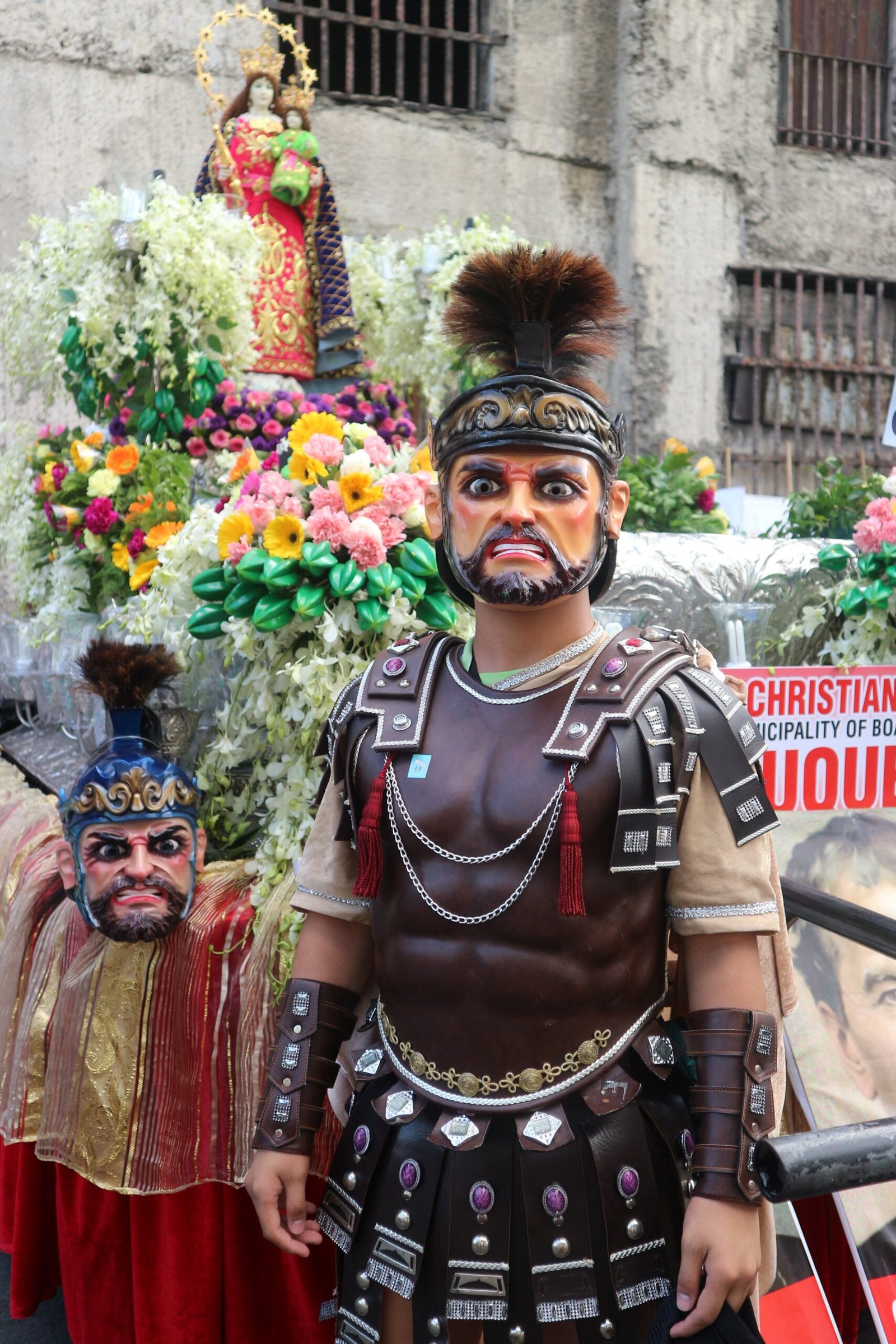
Each mask is hand-carved from a single block of softwood, usually dapdap or santol, and the carving alone takes weeks. Mask-makers paint the features in oil — pale European skin, fierce eyes, full beards, often with real hair attached to the chin and crest. No two masks are alike. Some workshops in Mogpog have been producing them for three or four generations.
The full Morion costume includes the carved helmet-mask, a tunic in red, gold, or silver, a metal or wooden breastplate, a flared skirt, sandals, a wooden sword or spear, and a shield. Penitents wear the entire outfit through the heat of the day for up to seven days. Many do not eat or drink in public; the silence is part of the vow.
Moriones Festival 2026 Schedule
The festival schedule follows the Holy Week calendar exactly. Here is the structure for 2026:
- Palm Sunday — March 29, 2026: Opening masses; Morions begin appearing in towns.
- Holy Monday – Holy Wednesday — March 30 to April 1: Daily Morion processions, masked patrols of the streets, and traditional ‘antics’ to draw crowds. This is when most visitors arrive.
- Maundy Thursday — April 2: Visita Iglesia (visiting seven churches, including the historic Boac Cathedral) and the Senakulo, the staged Passion play in Boac and other municipalities.
- Good Friday — April 3: The Procession of the Dead Christ in Boac Cathedral, considered the most solemn moment of the week.
- Black Saturday — April 4: Quiet observance and final preparations for the climactic Sunday.
- Easter Sunday — April 5: The Salubong (dawn meeting of the Risen Christ and the Virgin) and, in the late morning, the Pugutan — the dramatic reenactment of the capture and beheading of Longinus.
If your goal is to see the climactic Pugutan and the full theater of the festival, plan to arrive in Marinduque by Holy Wednesday at the latest, and stay through Easter Sunday.
The Best Towns to Watch the Moriones
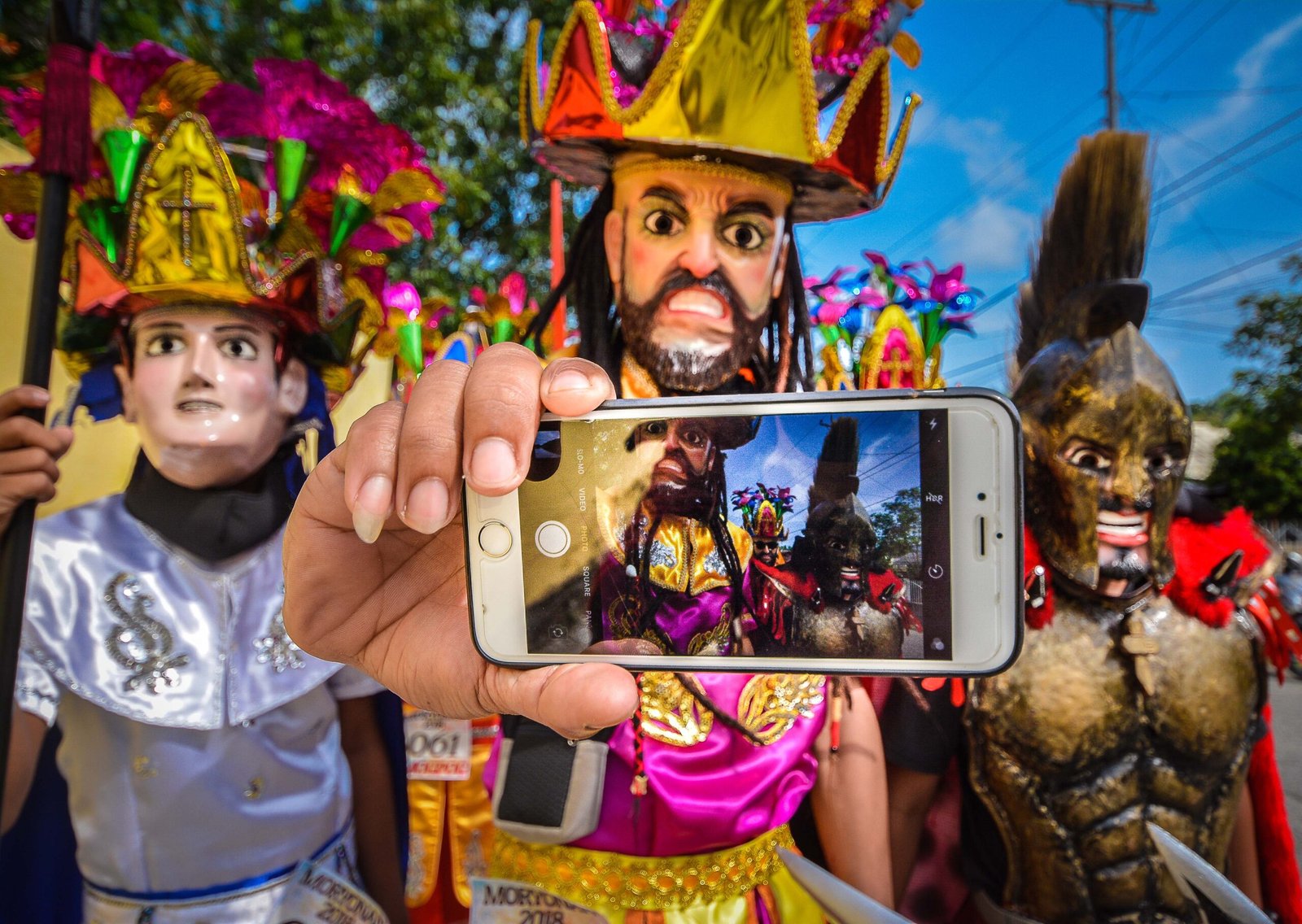
Each of Marinduque’s six municipalities holds its own version of the festival, and aficionados argue passionately for their favorites. A short overview of where to base yourself:
- Boac — The provincial capital and the most accessible town; expect the largest crowds and the most polished pageants. Excellent for first-time visitors. Don’t miss the historic Boac Cathedral.
- Mogpog — The birthplace of the tradition; some of the oldest mask-makers’ workshops are here, and the costumes are particularly elaborate.
- Gasan — On the west coast facing the Tres Reyes Islands; smaller, more intimate processions and a beachfront base for the rest of your stay.
- Santa Cruz — The largest municipality; vivid Pugutan reenactment with strong community participation.
Many travelers stay in Gasan and travel by tricycle or hired van to other towns to catch different processions throughout the week.
The Pugutan: Easter Sunday’s Climax
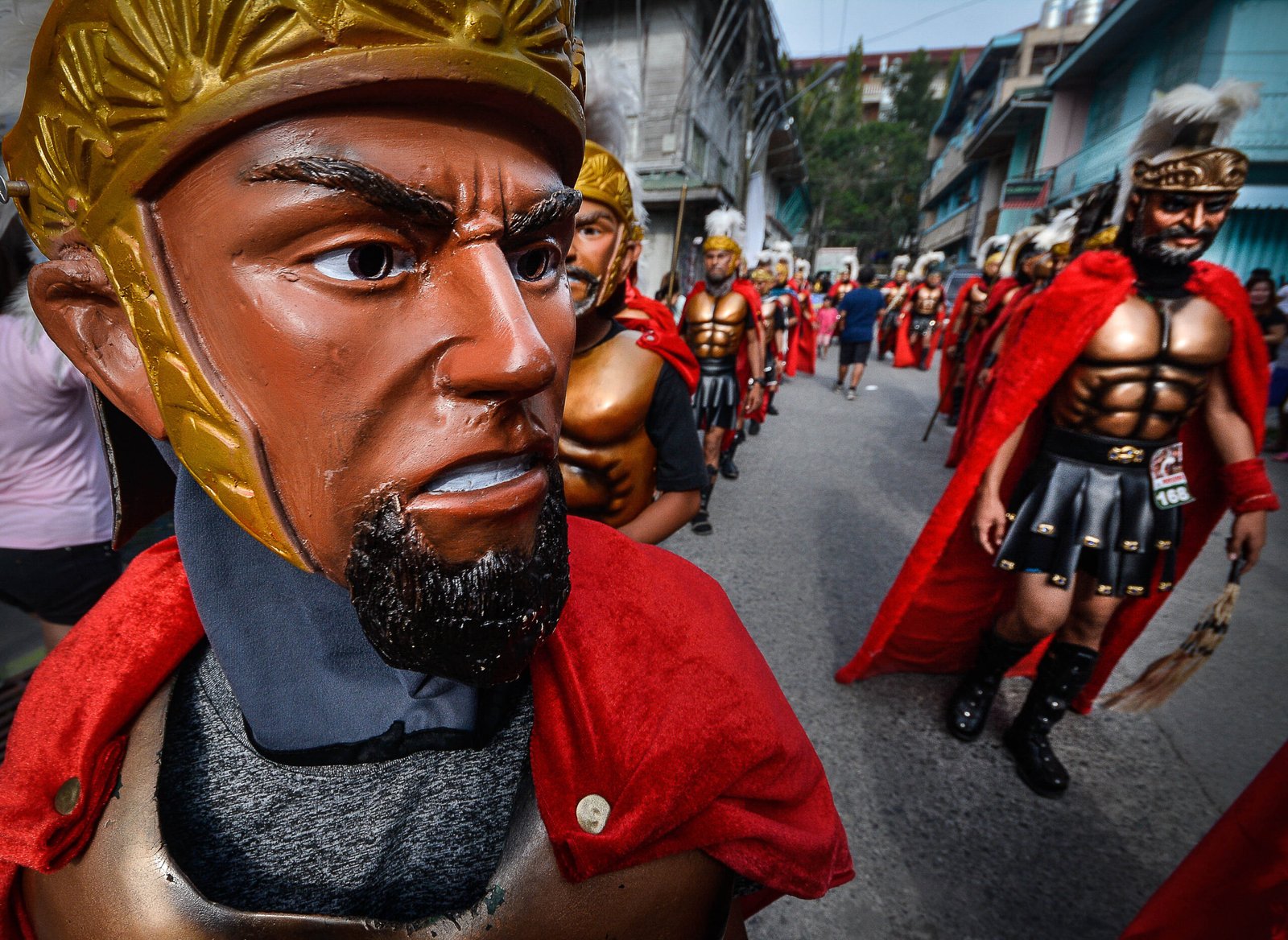
Easter Sunday is the moment everything has been building toward. Throughout the morning, after the Salubong, the Morions pursue the actor playing Longinus through the town. He is captured, paraded, and finally led to a public square where the symbolic beheading takes place. Crowds press in close. The tension is theatrical, but the underlying emotion is sincere — for many penitents, this is the fulfillment of a vow that may have taken years to plan.
Bring water, sunblock, and patience. The Pugutan can run long, and you’ll likely be standing in direct sun for most of it. The reward is one of the most memorable spectacles in Philippine cultural life.
Food, Crafts, and Local Culture
The festival is also when Marinduque’s food and craft traditions go on full display. Look for uraró biscuits (the powdery local cookie made from arrowroot), fresh-grilled tanigue, and bibingka cooked over coals at street stalls. Mask-making workshops in Mogpog and Boac open their doors to visitors during Holy Week — a small Morion mask is the most authentic souvenir you can bring home.
How to Get There
- By air: Cebgo flies Manila–Marinduque (MRQ) daily. The flight is 40 minutes and lands 3 km from Gasan.
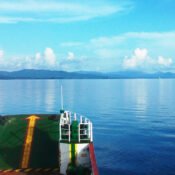
- By land and sea: Bus from Manila’s Buendia or Cubao terminal to Lucena (4 hours), then a roll-on/roll-off ferry from Dalahican Port to Balanacan or Cawit (about 3 hours). This is the budget route and the one most pilgrims take.
- Plan your week: Marinduque Guide’s Moriones weekend itinerary maps out the best processions to catch each day.
- Book early: Holy Week is peak season. Flights, ferries, and rooms sell out weeks in advance — for 2026, start booking by January at the latest.
Practical Tips for First-Time Visitors
- Dress modestly during church processions. A long-sleeved shirt and comfortable closed shoes are appropriate.
- Be respectful with photography. The Morions are penitents, not performers — ask before getting close, and avoid asking them to remove masks.
- Keep cash on hand. Most food vendors and tricycle drivers do not take cards or e-wallets.
- Stay hydrated. Holy Week in Marinduque routinely hits 33–35 °C with full sun.
- Plan for traffic. The narrow streets fill quickly during the Pugutan; expect to walk.
Where to Stay During the Festival
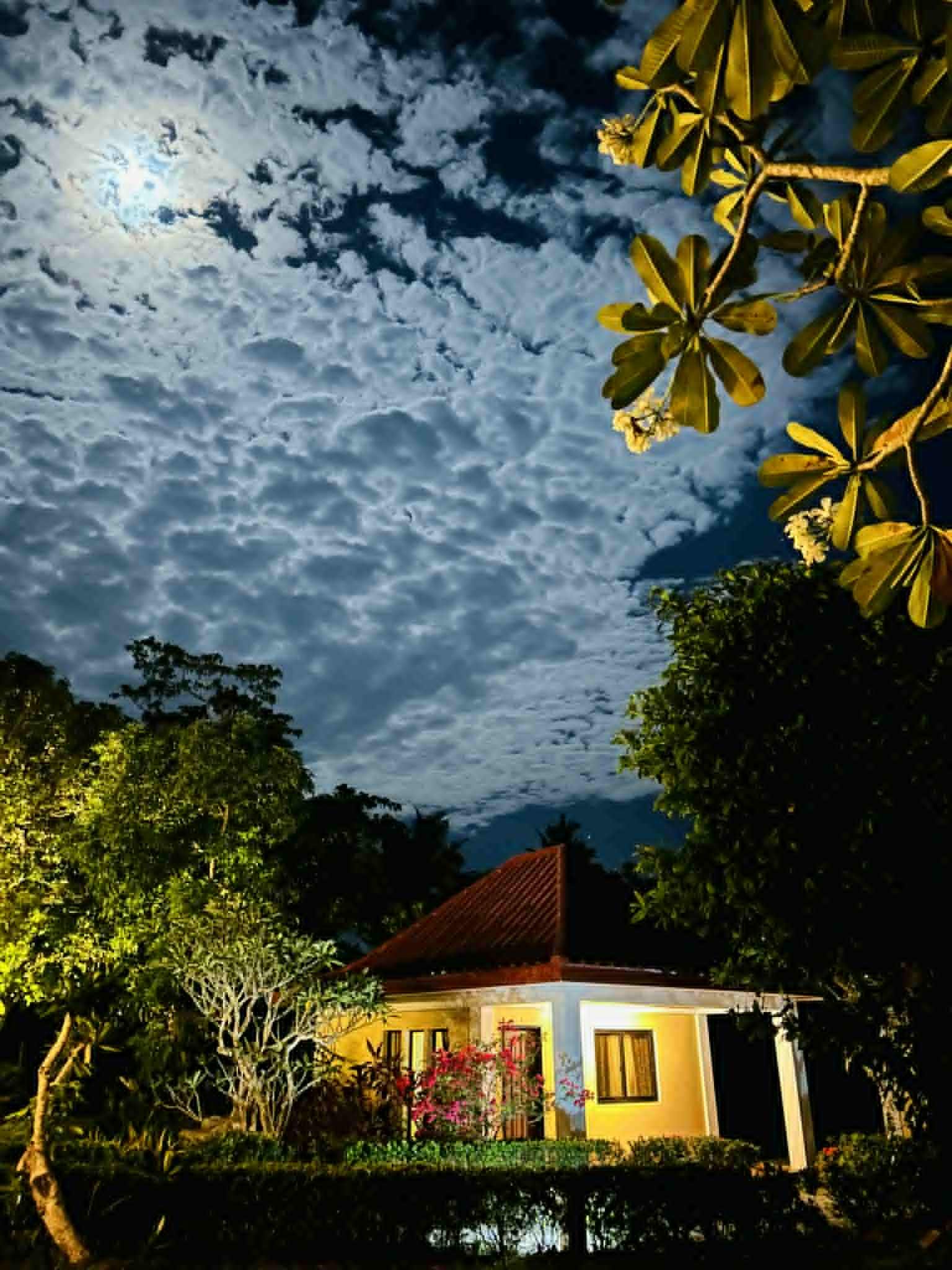
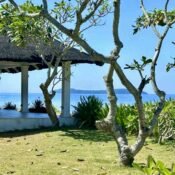
Accommodations in Marinduque fill up fast during Holy Week. Booking by January is strongly recommended for any 2026 visit. Luxor Resort and Restaurant in Gasan offers a quiet, beachfront base from which you can travel to any of the major procession towns. The chalets are air-conditioned, the on-site restaurant serves authentic Italian and Filipino dishes, and the staff can arrange a tricycle or van for cross-island transport during the festival.
To check Holy Week 2026 availability, visit luxormarinduque.com or call (042) 332-0562. The earlier you reserve, the better your odds — Holy Week is the busiest week of the year on the island.
Image credits: Moriones photos by Emman A. Foronda, Elmer B. Domingo, and Ranieljosecastaneda — all via Wikimedia Commons under CC BY-SA 4.0. Other photos courtesy of Luxor Resort and Restaurant.